Improve your property with privacy done right. Clusia, Podocarpus, Calophyllum, Green Island Ficus, clumping bamboo, and Heliconias — matched to your sun, soil, salt exposure, and the look you want. Designed and installed by an owner-operated team with 28 years in South Florida landscape.
Most privacy hedge problems we're called to fix come from the same root cause: the wrong plant was installed in the wrong location. Clusia planted on the ocean side of a Hillsboro Mile property. Podocarpus installed without dedicated irrigation. Ficus Benjamina that gets destroyed by whitefly every year. Running bamboo that takes over the whole backyard.
A proper privacy screen lasts decades, holds up to South Florida's salt air, wind, and storms, and looks better every year. Done wrong, you'll be replanting in 3-5 years. The questions below cover the plants we actually use, the timelines you should expect, the costs to plan around, and the salt-air specifics that matter on coastal properties.
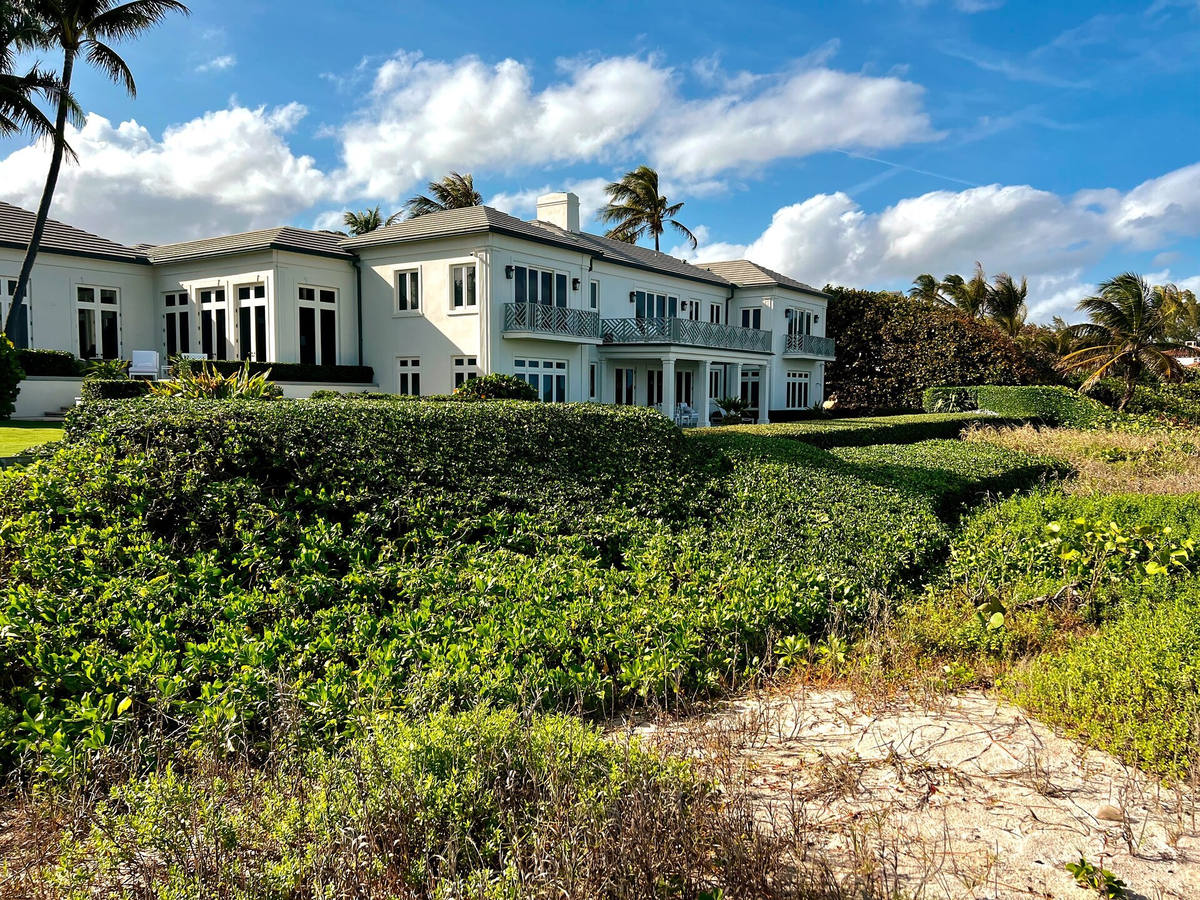
Depends on your goal. For massive hedges (8-15 feet tall) and best bang-for-buck, Clusia (Pitch Apple or Rosa) is the workhorse. For skinny dense hedges in tight footprints (12 inches wide possible), Podocarpus is unmatched. For the sharpest cleanest architectural lines, Calophyllum. For oceanfront and salt-air zones, Green Island Ficus — plain and simple, full stop. Each plant has specific care needs and timeline expectations.
Green Island Ficus is the king for oceanfront privacy in South Florida. Drought tolerant, bug resistant, dense, robust through wind shifts, and available in larger gallon sizes for near-instant installation. The top three plants for oceanfront durability are Green Island Ficus, Silver Buttonwood (or Green Buttonwood), and Saw Palmetto. Sea Grape handles wind well above 15 feet but drops leaves heavily and struggles on the sides of homes.
Clusia doesn't handle ocean-side wind exposure well — especially in pinch points between buildings where wind funnels and accelerates. We see this in Hillsboro Mile, Pompano Beach, Deerfield Beach, Highland Beach, Delray Beach, Gulf Stream, Manalapan, and Palm Beach. People used to plant Clusia on the beach — it was always a facade. Clusia works further off the house, away from wind pinch points. For true oceanfront, Green Island Ficus is the right answer.
Depends on the plant and the install size. Clusia 3-7 gallon: 2-3 years for a decent hedge. Clusia 15-25 gallon: 6 months to 1.5 years for super dense. Podocarpus any size: 1-2 years for really good density. Areca palm 25 gallon: 6 months to 1 year. Areca palm 45 gallon or field-grown: almost instant. Green Island Ficus in larger gallon sizes: near-instant.
Clumping bamboo (like Bambusa Texarillus Gracilis) stays where you plant it — controllable, non-invasive, beautiful privacy screen up to 25 feet tall. Running bamboo takes over your entire yard, your neighbor's yard, your pool deck, and your foundation. It's a nightmare to remove and can cost thousands to eradicate. Never plant running bamboo. Always specify clumping bamboo.
Yes. Bamboo attracts dragonflies, which perch on the canes and hunt mosquitoes voraciously. It's a natural passive mosquito control benefit built into your privacy screen — particularly valuable in South Florida where mosquitoes are a daily problem. The dragonfly side benefit is one of the reasons we recommend clumping bamboo for clients who want privacy AND fewer mosquitoes.
Ficus Benjamina is hard to grow in South Florida, gets destroyed by whitefly infestations, and looks terrible most of the year. Most companies stopped planting it years ago. If you have an existing Ficus Benjamina hedge that's struggling, the honest answer is: rip it out and replace it with something that performs. Clusia, Podocarpus, or Green Island Ficus are all better choices.
Podocarpus (Macphersonii or Pringles varieties) requires dedicated irrigation on its own zone — water 2-3 times per day for the first 6 months, then 1-2 times per day for the first 2 years. Podocarpus is hydrophobic — slight dryness kills branches fast. With dedicated water, you won't lose a single branch. Without it, the hedge fails. This is the single most important rule for Podocarpus success.
Yes. For design-driven privacy screening, bamboo (clumping varieties) makes an excellent backbone with Heliconias (8-12 feet tall, with crab-claw and lobster-claw style flowers) mixed in for color and tropical character. Add shell ginger, variegated ginger, green ginger, and firebush for layered texture. The result is real Costa Rica tropical vibe — privacy plus visual character.
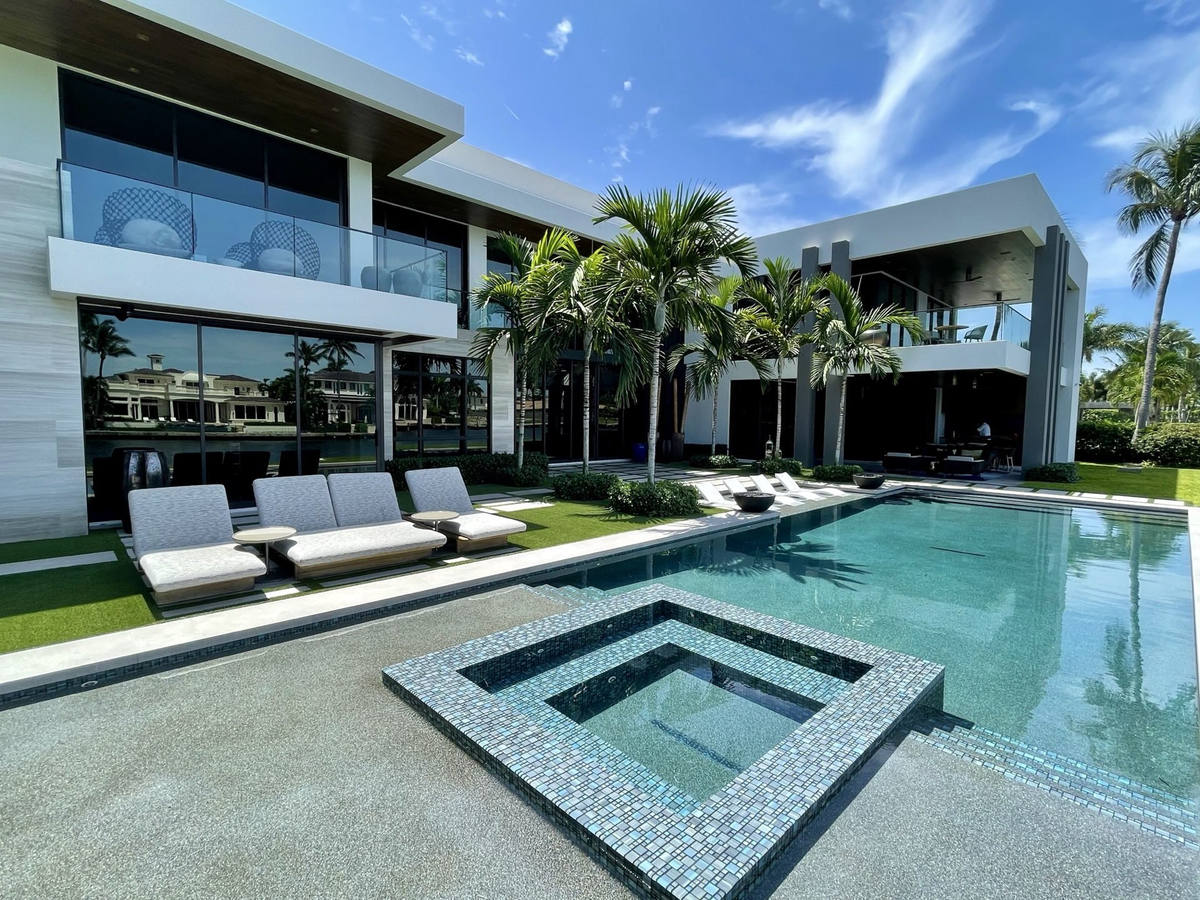
For canal-front backyards in Lighthouse Point, the right hedge depends on wind exposure and desired height. Calophyllum delivers the sharpest architectural lines. Green Island Ficus for oceanfront-influenced sides. Podocarpus for skinny footprint zones near pool decks. Clusia for the inner property zones away from direct ocean wind. We evaluate the property and recommend per zone — not one-plant-fits-all.
Hedge installation cost depends on plant variety, install size (3 gallon vs 25 gallon vs field-grown), number of plants, prep work, irrigation requirements, and access to the property. Small backyard privacy installs can start in the low thousands. Full property-line installs with mature plant material can run significantly higher. We provide a written proposal after walking the property.
Yes. For oceanfront properties needing immediate privacy, we source Green Island Ficus in 25, 45, 65, and 100-gallon sizes through our grow contracts. We can also source ficus trees grown to 8-10 feet tall for properties needing instant vertical screening. Combined with proper irrigation and salt-tolerant plant selection, we can install a near-instant, drought-tolerant, wind-resistant privacy perimeter.
Sometimes, yes. Many homeowners are hesitant to prune Clusia hard because they're afraid it won't recover, they'll lose privacy, or the hedge won't look the same again. In reality, healthy Clusia often benefits from intentional pruning and occasional rejuvenation when done correctly. The key is having a plan.
Whenever practical, we prefer hand pruning — shears, loppers, machetes, and selective hand-cutting techniques — because they let us improve structure, encourage branching, increase density, and maintain a more natural appearance. This philosophy extends well beyond Clusia: many privacy hedges, specimen plants, shrubs, ornamental plantings, and select trees often benefit from selective hand pruning rather than repeated machine trimming.
Hedge trimmers have their place, but repeatedly trimming only the outer surface can create a dense shell of foliage while leaving the interior thin, woody, and starved of healthy growth. In some cases a Clusia hedge benefits from a more significant cutback — to restore shape, encourage new growth, improve density, or set up better long-term privacy. Those decisions should be made intentionally based on the plant's age, health, spacing, location, and the homeowner's goal. Sometimes a temporary reduction in size or appearance is the right move to get to a healthier, fuller hedge later.
Hand pruning takes more time, more labor, and more experience. It usually costs more than machine trimming. Many homeowners find the improved health, structure, density, and long-term performance well worth the investment. Our goal isn't to make plants smaller — it's to improve the long-term health, structure, and appearance of the landscape.
Jorden walks every property before recommending a plant. No cookie-cutter installs. Just the right plant for the right spot.